Reviewing the Christmas Theme Image for Holiday Stitching
As we approach the busiest season for craft businesses, the pressure to deliver high-quality, festive products increases exponentially. I recently spent time evaluating a new Christmas Theme Image intended for machine embroidery, and I want to share my practical observations. This is not just about whether the design looks cute on a screen; it is about how it performs under the needle, how it translates to fabric, and whether it adds genuine value to your handmade inventory.
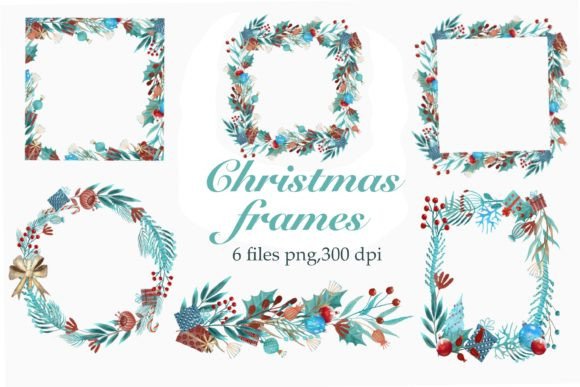
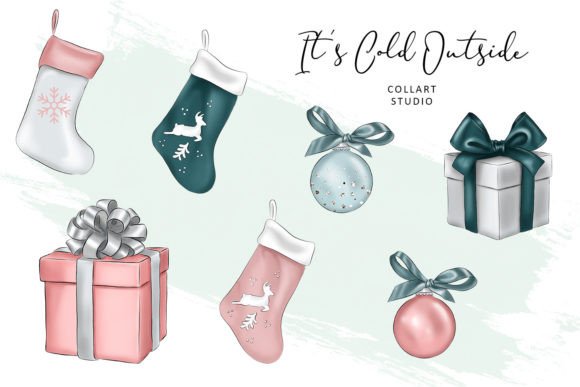
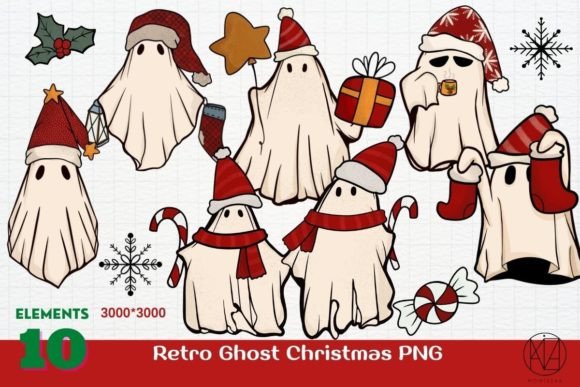
The first impression of this Illustrations-style graphic is one of warmth and nostalgia. It avoids the overly complex, hyper-realistic trends that often plague digital marketplaces in favor of a cleaner, more stylized aesthetic. For an experienced designer, this is immediately appealing because simplicity often translates better to thread. The visual personality suggests a cozy, traditional holiday mood, making it a natural fit for home decor and personalized gifts rather than edgy, modern streetwear.
Real-World Application: The Tote Bag Test
To truly understand the viability of any machine embroidery design, you must visualize it on a tangible product. I imagined applying this Christmas Theme Image to a heavy canvas tote bag, a staple item for many Etsy sellers during the holidays. The layout of the design is balanced, with a central focal point that draws the eye without overwhelming the fabric surface.
In this scenario, the design’s line weight becomes critical. If the elements are too thin, they may disappear into the weave of the canvas. If they are too dense, the fabric might pucker. From my assessment, this design appears to strike a reasonable middle ground. It utilizes a mix of satin stitch borders and fill stitch interiors, which provides texture without excessive bulk. For a tote bag, this means the finished product will lie flat and remain durable through repeated use, a key factor for customer satisfaction.
Versatility Across Product Lines
Beyond tote bags, this design shows promise across various categories. For sweatshirt embroidery, the scale needs to be considered carefully. A larger hoop size would allow the details to breathe, preventing the stitches from merging into a solid blob on fuzzy fleece or cotton blends. Conversely, for baby embroidery projects like onesies or bibs, the design might need to be scaled down. Here, the simplicity of the Illustrations style works in your favor, as fewer intricate details mean less irritation against sensitive skin and a lower risk of stitch-outs on stretchy fabrics.
I also see potential for this Christmas Theme Image in kitchen textiles. Embroidered tea towels and aprons are popular holiday gifts. The design’s thematic elements align perfectly with festive hosting decor. However, when working on terry cloth or waffle weave, you must account for fabric texture. The design should be tested with a cut-away stabilizer to ensure the stitches do not sink into the loops of the towel, preserving the clarity of the image.
Technical Considerations for Stitching Success
While the aesthetic is strong, technical execution is where many projects fail. One area requiring caution is the use of this design on dark fabrics. If the thread colors specified in the default embroidery file lack sufficient contrast against navy or black material, the design will lose its impact. I strongly advise creating a black-and-white mockup before stitching. This helps you identify if the stitch density is adequate to cover the background fabric or if an underlay stitch is needed for opacity.
Another critical factor is the handling of small details. If the Christmas Theme Image includes tiny text or fine lines, these can be problematic on curved surfaces like caps. For embroidered patch creation, however, these details might hold up better because patches are typically stabilized heavily and removed from the garment after stitching. Always check the smallest elements of the design against your machine’s minimum stitch length capabilities.
For those considering this for commercial embroidery, pay close attention to the transition between color blocks. Poorly digitized transitions can lead to thread breaks or unsightly jumps. A well-digitized file will minimize trims and jumps, saving you time and thread. Since specific technical data like exact stitch count or file formats are not provided here, you must verify these details with the seller. Ensure the format is compatible with your machine, whether it requires PES, DST, or another extension.
Enhancing Brand Value and Customer Trust
From a business perspective, the quality of your design assets directly influences perceived value. A crisp, clean finished product builds trust. When customers receive a personalized gift that looks professional, they are more likely to leave positive reviews and return for future purchases. This Christmas Theme Image, with its coherent style, supports brand consistency. It does not look like a generic clipart dump but rather a curated piece of art.
Using this design in your printable mockup previews can also boost engagement. High-quality visuals help online shoppers visualize the final item. However, ensure your mockups accurately represent the texture of embroidery. Flat digital images can sometimes mislead buyers about the raised, tactile nature of thread work. Transparency in presentation reduces return rates and manages expectations.
Practical Designer Notes for Implementation
Before committing to a large production run, follow these practical steps:
- Test on Scrap Fabric: Always stitch out the design on the same type of fabric you intend to sell. Different materials react differently to tension and stabilizers.
- Check Thread Contrast: Verify that your chosen thread palette offers enough contrast for the design to be legible from a distance.
- Review Stitch Density: High density can cause puckering, especially on lighter fabrics. Adjust density settings if your machine allows, or choose a heavier fabric.
- Confirm Hoop Size: Ensure the design fits comfortably within your hoop with adequate margin for clamping, avoiding edge strikes.
- Inspect Small Details: Zoom in on the digital file to check for overlapping stitches or unnecessary nodes that could cause thread breaks.
- Licensing Verification: Confirm the license terms. Can you use this for small shop product sales? Is it restricted to personal use? Never assume; always read the terms to protect your craft business.
In conclusion, this Christmas Theme Image offers a solid foundation for holiday-themed projects. Its strength lies in its balanced composition and adaptable style. By paying attention to fabric choice, stabilization, and thread selection, you can transform this digital file into a high-value handmade product. Whether you are an experienced Etsy seller or a hobbyist looking to create unique gifts, this design warrants a spot in your seasonal toolkit, provided you approach it with the technical diligence it deserves.