Reviewing Christmas Illustrations, Decorations for Stitching
As a designer who has spent years translating digital art into thread, I approach every new machine embroidery design with a mix of excitement and skepticism. We have all been there: you download a file that looks stunning on the screen, only to find it turns into a tangled mess of jumps and breaks once it hits the fabric. That is why I took a close, practical look at Christmas Illustrations, Decorations before committing it to any client work or personal holiday projects. This review is not about hype; it is about how these assets perform in the real world of hoops, needles, and tight deadlines.
First Impressions and Visual Personality
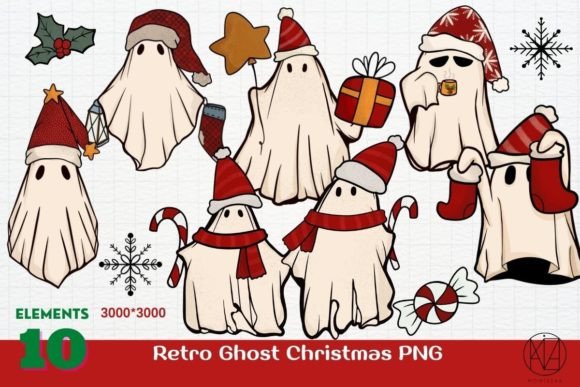
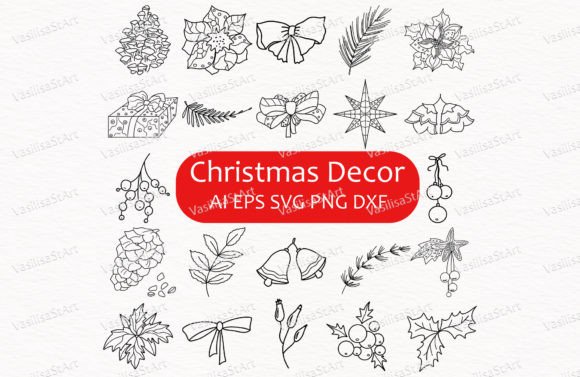
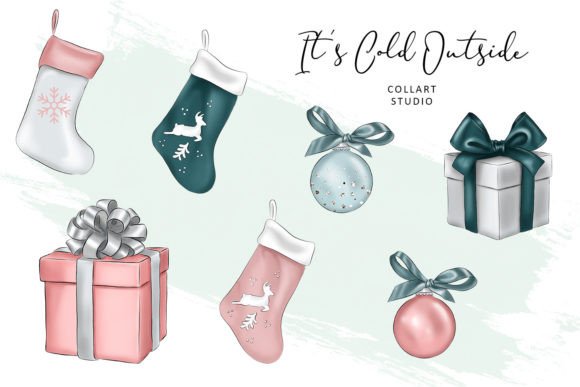
The first thing that strikes you about Christmas Illustrations, Decorations is its balanced aesthetic. In the embroidery world, we often struggle to find designs that are detailed enough to be interesting but simple enough to stitch cleanly. These illustrations hit a sweet spot. The mood is nostalgic yet modern, avoiding the overly cluttered look that plagues so many seasonal files. When I loaded the preview, I noticed the lines were clean, suggesting well-digitized paths rather than auto-digitized chaos.
The visual personality here is versatile. It does not scream "cheap novelty." Instead, it feels curated. For an Etsy seller or a boutique owner, this distinction is critical. Your customers are looking for quality. A design that looks professional in a printable mockup needs to hold up when stitched onto a premium cotton tote or a heavy fleece sweatshirt. The layout of these illustrations allows for flexibility. You can use them as standalone centerpieces or combine them with text for a more personalized touch.
Real-World Application: The Holiday Tote Test
To truly evaluate Christmas Illustrations, Decorations, I imagined a common scenario: preparing a batch of custom holiday gifts. I decided to test the concept on a canvas tote bag design. Canvas is unforgiving; it shows every puckering issue and misaligned stitch. I selected one of the simpler motifs from the collection to see how it handled the weave.
The result was promising. The design maintained its shape without pulling the fabric excessively. This is where understanding stitch density becomes vital. If a design is too dense, it creates a stiff, cardboard-like feel on soft fabrics. If it is too light, the background fabric shows through, ruining the image. These illustrations appear to use a smart mix of satin stitch for borders and fill stitch for larger areas, ensuring coverage without excessive bulk. For a handmade product intended for daily use, this balance ensures durability and comfort.
Apparel and Custom Gifts
Beyond totes, I considered how these would work on custom apparel. Imagine a cozy crewneck sweatshirt with a small, elegant motif on the left chest. The scale of Christmas Illustrations, Decorations seems appropriate for this. It is not so large that it overwhelms the garment, nor so tiny that the details get lost in the fleece texture. For baby embroidery, such as a onesie or a burp cloth, the softer, rounded elements of the illustrations would work beautifully, provided you adjust the stitch count for delicate fabrics.
When creating a personalized gift, presentation is everything. A clean stitch-out builds customer trust. If you are selling these as small shop products, consistency is key. Using a reliable set of design assets like this helps maintain brand consistency across different items, whether it is a kitchen towel or a decorative pillow cover.
Navigating Technical Challenges
No design is perfect for every situation. There are specific scenarios where you need to exercise caution with Christmas Illustrations, Decorations. First, consider the hoop size. If you are working with a small 4x4 hoop, ensure you select the smallest version of the design. Cramping a complex illustration into a tiny space will lead to thread breaks and poor definition.
Fabric texture also plays a massive role. On textured fabrics like terry cloth or waffle knit, fine details may disappear. In these cases, I recommend using an applique design approach if the file supports it, or simplifying the thread colors to create higher contrast. For dark fabrics, always check your thread colors. A dark green on a navy blue shirt might vanish. Use a underlay or a lighter backing thread to make the design pop.
Curved surfaces, such as caps, present another challenge. The stiffness of the embroidery can cause the cap to warp if the design is too large or dense. For embroidered patch creation, however, these illustrations are ideal. Patches allow you to stabilize the fabric completely before stitching, resulting in a crisp, professional finish that can be ironed or sewn onto various garments later.
Enhancing Product Value and Brand Appeal
Why does the choice of design matter for your bottom line? Because it affects perceived value. A sloppy, poorly digitized holiday embroidery pattern signals low effort. In contrast, a clean, well-executed design signals quality. When customers see a finished product with clear lines and no bird nests of thread, they are more likely to engage with your brand. They are more likely to share photos on social media, which is free marketing for your craft business.
Using high-quality digital embroidery file sources like this collection helps you avoid the headache of constant troubleshooting. Time is money. If you spend less time fixing stitching errors, you spend more time creating and selling. Whether you are preparing for a craft fair or updating your online store, having reliable commercial embroidery assets allows you to scale your production with confidence.
Practical Notes for the Embroidery Designer
Before you start stitching your final inventory, here are some practical steps to ensure success with Christmas Illustrations, Decorations:
- Test on Scrap Fabric: Always run a test stitch on the same type of fabric you plan to use for the final product. This reveals tension issues early.
- Check Stabilizer Choice: Use a cut-away stabilizer for stretchy fabrics like t-shirts and a tear-away for stable woven fabrics like aprons or pillow covers.
- Review Thread Contrast: View your design in black and white on your computer screen. If the details blend together, you need to adjust your thread palette for better visibility.
- Verify Licensing: Before selling any finished product, confirm the license terms. Ensure you have the right to use the design for commercial purposes if you are an Etsy seller or running a boutique.
- Inspect Small Details: Zoom in on the digitizing software. Look for unnecessary jump stitches or overlapping areas that could cause bulk.
In conclusion, Christmas Illustrations, Decorations offers a solid foundation for your holiday embroidery project lineup. It is not just about the image; it is about how that image translates into thread. With careful attention to fabric choice, stabilization, and thread selection, these designs can elevate your handmade offerings. They provide the professional polish that turns a simple item into a cherished keepsake. As you plan your seasonal collections, keep these practical insights in mind to ensure every stitch counts.