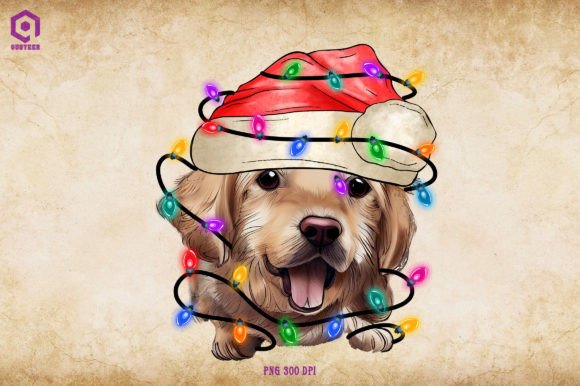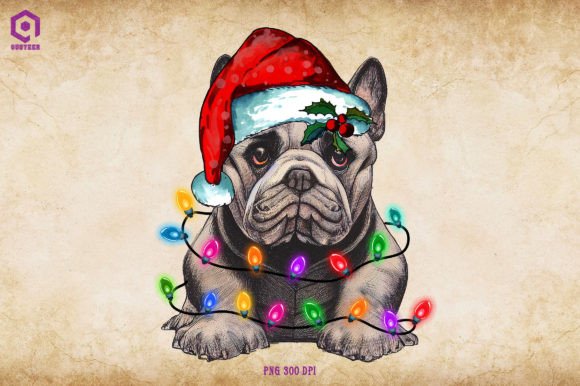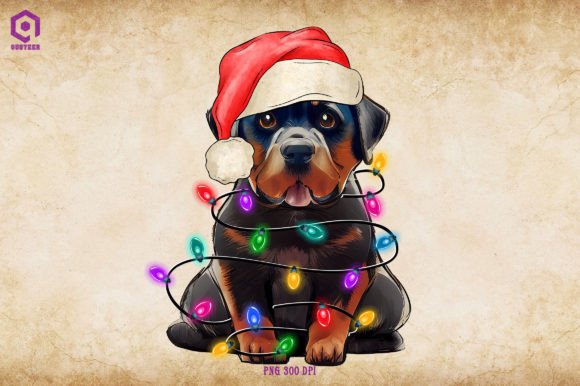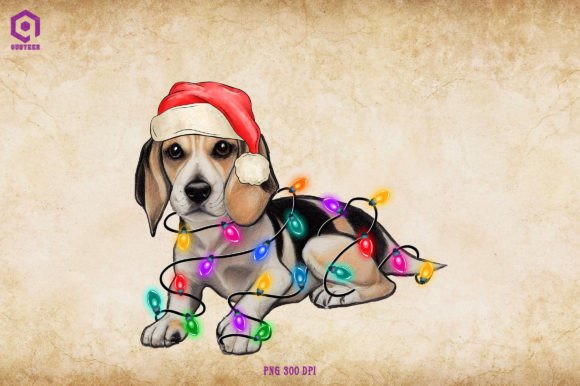
German Shorthaired Christmas Tree Lights Review
As a designer who spends more time staring at stitch simulations than most people care to admit, I approach every new machine embroidery design with a mix of excitement and skepticism. We have all bought files that looked stunning on a screen but turned into a tangled mess of thread breaks and puckering on the hoop. Today, I am taking a close look at the German Shorthaired Christmas Tree Lights illustration. This isn't just a quick glance at a thumbnail; this is an evaluation of how this specific asset holds up when you are trying to create a handmade product that needs to sell or impress a client.
The First Impression: Mood and Visual Personality
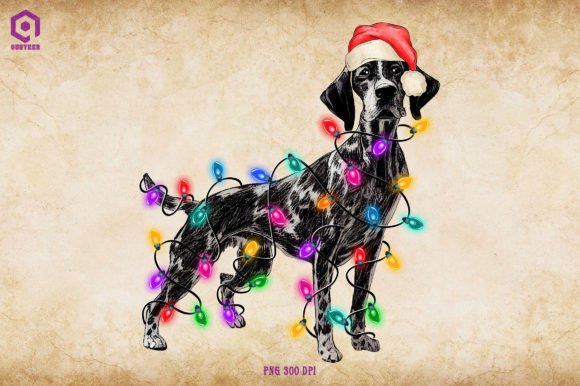
When I first pulled up the German Shorthaired Christmas Tree Lights file, the immediate vibe was warm and nostalgic. There is something inherently charming about combining the sleek, athletic silhouette of a German Shorthaired Pointer with the cozy chaos of holiday lights. The layout feels balanced, avoiding the common pitfall where the dog overwhelms the festive elements or vice versa. As an Illustrations category item, it relies heavily on clean lines and distinct shapes rather than overly complex shading, which is usually a good sign for embroidery.
The visual personality here is playful yet sophisticated. It doesn't scream "cheap novelty item." Instead, it feels like something you would see in a boutique catalog or on a high-end custom apparel piece. For designers, this distinction is crucial. We need assets that elevate our brand, not dilute it. The way the lights wrap around or interact with the dog's form suggests a thoughtful composition that should translate well into satin stitch and fill stitch combinations without losing definition.
Real-World Application: From Screen to Stitch
Let's move beyond the theory and talk about a real scenario. Imagine you are preparing a run of sweatshirt embroidery for a local pet lover's holiday market. You want to offer a unisex crewneck that appeals to dog owners who take their holidays seriously. The German Shorthaired Christmas Tree Lights design fits this embroidery project perfectly. Placed on the left chest or centered on the front, the design offers enough detail to be interesting from a distance but remains clear enough for close-up inspection.
I can also see this working beautifully as a tote bag design. Canvas bags provide a stable surface that handles medium-density designs well. If you are an Etsy seller looking to expand your holiday embroidery collection, this could be the standout piece in your shop. It has that specific niche appeal—targeting German Shorthaired Pointer owners—that drives engagement and conversions. Unlike generic snowflakes or trees, this tells a story about the customer's life, making it a highly desirable personalized gift.
For those running a craft business, versatility is key. This design could easily be adapted for an embroidered patch. By tightening the borders and ensuring the edges are well-defined with a running stitch or merrow edge simulation, you create a wearable accessory that customers can iron onto jackets or backpacks. The finished product potential here is high because the subject matter transcends age groups; it works for kids' baby embroidery items (like a festive onesie) just as well as it does for adult aprons or kitchen towels.
Technical Considerations and Fabric Challenges
However, no design is without its challenges, and a professional review must address where things might go wrong. When working with the German Shorthaired Christmas Tree Lights, you need to be mindful of your stitch density. Holiday light strings often involve thin, connecting lines that can get lost if the fabric texture is too aggressive. If you are stitching this on a textured towel or a thick fleece, those fine details might sink in. Always test on scrap fabric that matches your final material.
Dark fabrics present another consideration. Since this is a holiday theme, you will likely be using bright thread colors for the lights against a dark background. Ensure your thread colors have enough contrast. A dark green dog on a navy sweatshirt might look muddy. You may need to adjust the underlay or add a slight outline to separate the subject from the background. Furthermore, if you are attempting this on a curved surface like a cap, verify the hoop size compatibility. Small hoops can distort wider designs, and the integrity of the light strands could suffer if the fabric pulls too much during stitching.
Stabilizer choice is non-negotiable here. For stretchy fabrics like t-shirts or baby clothes, a cut-away stabilizer is essential to prevent the design from warping after washing. Since this design likely serves as a commercial embroidery asset for many, consistency in the finished product is vital for maintaining customer trust. A puckered design looks amateurish and can hurt your reputation as a small shop product creator.
Enhancing Brand Value and Customer Appeal
Using a well-executed design like German Shorthaired Christmas Tree Lights directly impacts your perceived value. When a customer sees crisp stitching and a clever concept, they associate that quality with your entire brand. It builds brand consistency if you stick to high-quality design assets across your inventory. This particular design adds a layer of professionalism because it shows you understand your audience. It's not just a random clip-art dump; it's a curated choice.
For digital product sellers, this file is gold for creating printable mockups. Even before you stitch a single thread, you can use this image to gauge interest on social media or in your online listings. The visual appeal is strong enough to stop the scroll. However, remember that what looks good in a JPEG might behave differently as a digital embroidery file. Always inspect the small details. Are the eyes of the dog defined? Do the light bulbs look like distinct shapes or blurry blobs? These nuances determine whether the item feels like a premium holiday gift or a dollar-store find.
Final Designer Notes and Best Practices
Before you commit to a full production run, here are my practical recommendations. First, check the licensing terms explicitly. Just because you bought the file doesn't automatically mean you can sell unlimited physical goods or redistribute the embroidery file itself. Confirm whether it allows for commercial embroidery use. Second, run a test stitch-out in black and white or grayscale. This helps you see the structure of the design without the distraction of color, revealing any potential gaps or density issues.
Pay attention to the transition between color blocks. If the design uses an applique design technique, ensure your fabric choices for the applique pieces complement the dog's coat color realistically. Finally, consider your end user. If this is for a personalized gift, think about where it will live. Will it be washed weekly? If so, reinforce those high-stress areas. If it's for decorative home decor, you can afford to be slightly more delicate with the stitch types.
In conclusion, the German Shorthaired Christmas Tree Lights design is a strong contender for your holiday lineup. It balances thematic charm with technical feasibility. Whether you are decorating a pillow cover, branding a line of custom apparel, or creating unique merchandise for a breed-specific event, this design offers the versatility and visual punch needed to succeed. Just respect the technical limits of your machine and fabric, and you will end up with a product that brings genuine joy to the recipient.