Reviewing Christmas Frames for Holiday Embroidery Projects
As a designer who has spent countless hours digitizing and stitching out holiday motifs, I have learned that not every festive graphic translates well to thread. Some designs look stunning on a screen but turn into a tangled mess of underthread and puckered fabric once the needle hits the hoop. This is why I approach every new machine embroidery design with a critical eye, looking beyond the pretty preview to assess its practical viability. Recently, I evaluated Christmas Frames, a piece from the Illustrations category, to determine if it holds up in real-world production environments.
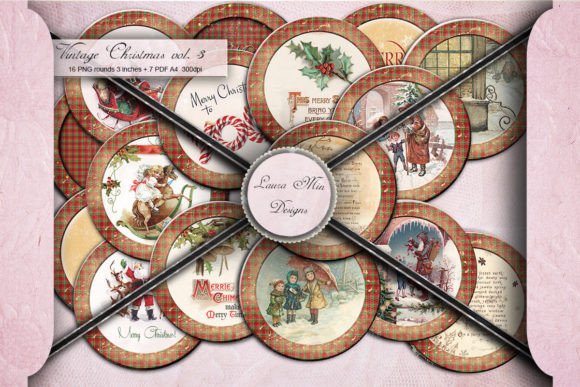
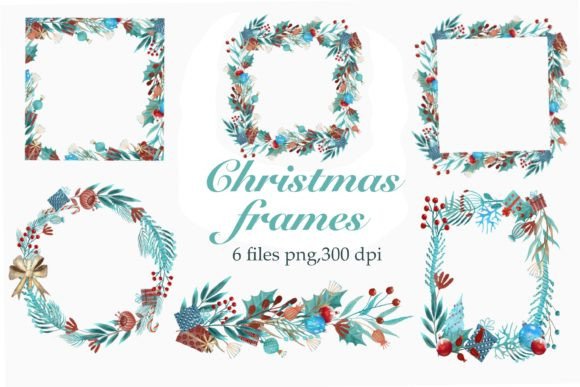
The first impression of Christmas Frames is one of structured warmth. Unlike chaotic scatter patterns or overly complex scenes, this design offers a clear boundary—a visual container that invites personalization. The mood it creates is traditional yet versatile, leaning into the cozy aesthetics of the season without relying on clichéd, cartoonish elements. For an embroidery product reviewer, this structural clarity is immediately appealing. It suggests a design that is meant to be functional, serving as a border for names, dates, or short messages, rather than just a static image.
Real-World Application: The Custom Tote Bag Test
To truly understand the value of an embroidery file, you have to imagine it on a finished product. I visualized Christmas Frames applied to a heavy canvas tote bag, a popular item for small shop products and holiday gift guides. In this scenario, the frame acts as the focal point. The open center allows for a monogram or a simple phrase like "Noel" or "Family," making it an ideal candidate for a personalized gift.
When stitching on textured fabrics like canvas or linen, the integrity of the lines matters. If the design relies too heavily on tiny running stitch details, they can get lost in the weave of the fabric. However, Christmas Frames appears to balance detail with visibility. The layout suggests that it would perform well on sturdy materials where the stitch definition can stand out against the fabric texture. For an Etsy seller or craft business owner, this versatility is crucial. You want a design that looks professional on a variety of blanks, from kitchen towels to thick aprons, without requiring constant adjustment to your tension settings.
Performance Across Different Garments and Hoops
Beyond totes, I considered how this design would translate to custom apparel. On a sweatshirt, the frame could sit prominently on the chest or subtly on the sleeve cuff, depending on the scale. Sweatshirts present a challenge due to the pile of the fleece; dense areas can sink in, while light areas may pucker if not stabilized correctly. Because Christmas Frames is categorized under Illustrations, it likely employs a mix of satin stitch borders and potentially some fill stitch elements. This combination requires careful attention to stitch density.
If you are planning to use this on a cap or hat, the curved surface adds another layer of complexity. Frames can distort if the digitizing does not account for the pull of the threads on a curved plane. I would recommend testing this design on a scrap piece of similar material before committing to a final product. For flat items like pillow covers or tea towels, the design should lay much flatter, offering crisp lines that enhance the handmade product aesthetic. The key here is ensuring that the corners of the frame remain sharp and do not bunch up, which is a common issue with rectangular or square frame designs in holiday embroidery.
Navigating Fabric Challenges and Stitch Clarity
One must be cautious when applying intricate frames to difficult fabrics. Thin or stretchy materials, such as jersey knits for baby clothes, require robust stabilization. If Christmas Frames has high stitch density, it could cause lightweight fabric to warp. In these cases, using a cut-away stabilizer is non-negotiable to maintain the shape of the frame after washing. Additionally, dark fabrics pose a contrast challenge. If the design includes fine details, ensure your thread colors provide enough contrast. A dark green frame on a black shirt might look muddy, whereas a cream or gold thread would pop, enhancing the visual appeal and perceived value of the finished product.
For those interested in creating an embroidered patch, this design could work beautifully if scaled correctly. Patches allow for higher density since they are stitched on stiff backing before application. This means you can push the detail level of Christmas Frames further without worrying about garment distortion. However, always check the minimum size recommendations. If the frame is shrunk too small, the satin columns may become too narrow to cover the bobbin thread, leading to a messy, unprofessional look.
Enhancing Brand Consistency and Customer Trust
From a business perspective, consistency is key. Using a cohesive set of design assets helps build brand recognition. Christmas Frames fits well into a broader collection of holiday-themed items. When customers see a well-executed frame on a tote, then later see the same style on a mug wrap or a digital printable mockup, it reinforces the professionalism of your craft business. High-quality embroidery signals care and attention to detail, which directly impacts customer trust and engagement.
Moreover, the versatility of a frame design allows for easy customization. You can offer multiple variations by changing the text inside the frame, effectively creating dozens of unique SKUs from a single digital embroidery file. This efficiency is vital for small business owners who need to maximize their design library without spending excessive time on new digitization. It transforms a simple illustration into a scalable commercial asset.
Practical Notes for the Embroidery Designer
Before you load Christmas Frames into your machine, take a moment to review the technical specifics. Since exact stitch counts and file formats were not provided in the initial description, you must verify these details upon download. Ensure the file format is compatible with your specific machine brand. Always stitch out a test sample on scrap fabric that matches the weight and texture of your final project. This step allows you to check for thread breaks, tension issues, and overall clarity.
- Check Stabilizer Requirements: Match the stabilizer to the fabric weight. Heavier frames may need tear-away for wovens and cut-away for knits.
- Test Thread Contrast: Use a black and white mockup or actual thread swatches to ensure the design reads clearly on both light and dark backgrounds.
- Verify Licensing: Confirm whether the license allows for commercial embroidery sales. Most designers allow selling finished physical items, but restrictions often apply to sharing or reselling the digital file itself.
- Inspect Small Details: Zoom in on the digitized file to check for unnecessary jump stitches or overly complex underlay that might add bulk without adding value.
In conclusion, Christmas Frames presents itself as a thoughtful addition to any holiday design collection. Its strength lies in its adaptability and classic aesthetic. Whether you are creating a baby embroidery piece for a newborn’s blanket or a sophisticated tote bag design for a boutique client, this frame offers a solid foundation. By paying attention to fabric choice, stabilization, and thread selection, you can ensure that the final stitched result meets the high standards expected in today’s handmade market. It is a design that rewards careful execution with a polished, professional appearance that customers will appreciate and cherish.