Review: Winter Animals Christmas Ball Ornaments
As a designer who spends more time staring at stitch simulations than I care to admit, I have learned that not every cute graphic translates well into thread. When I first pulled up the Winter Animals Christmas Ball Ornaments file, my initial reaction was cautious optimism. The concept is undeniably charming—a classic holiday trope reimagined with woodland creatures—but charm alone does not make a viable machine embroidery design. I needed to know if the details would hold up under the needle, how the density would behave on different textiles, and whether this asset could genuinely elevate a handmade product or if it would just add bulk.
First Impressions and Visual Personality
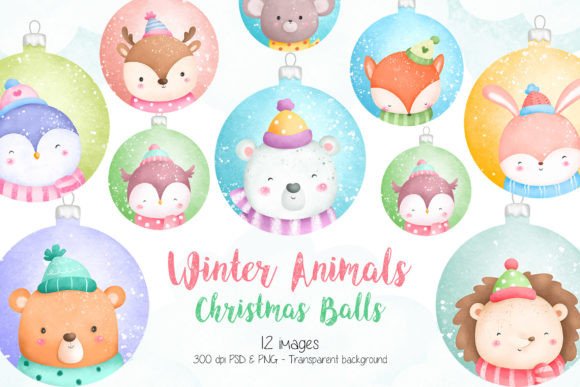
The mood of this design is cozy and nostalgic, fitting perfectly into the current trend of rustic, cabin-style holiday decor. Visually, the composition relies on the circular framing of the ornament ball, which is a smart choice for embroidery. Circular layouts tend to distribute tension evenly, reducing the risk of puckering compared to long, linear designs. The Illustrations style suggests a balance between whimsical character and clean lines, which is crucial when working with small-scale motifs.
What stands out immediately is the potential for texture contrast. If the design utilizes a mix of satin stitch borders for the ornament rim and fill stitch techniques for the animal fur, it offers a tactile experience that flat printing cannot match. However, the devil is in the details. I looked closely at the facial features of the animals. In digital previews, tiny eyes and noses often look crisp, but in reality, these can become lost in a jungle of threads if the stitch density is too high or if the thread color contrast is insufficient.
Real-World Application: The Holiday Tote Test
To truly evaluate the Winter Animals Christmas Ball Ornaments, I imagined a specific real-life scenario: creating a limited run of canvas tote bags for a local craft fair. This is a common use case for Etsy sellers and small shop product creators looking to capitalize on seasonal demand. I envisioned placing the design centrally on a natural-colored cotton canvas.
In this context, the design performs well because the circular shape acts as a self-contained badge. It does not require extensive background filling, which saves on thread usage and stitching time. For a tote bag design, durability is key. A design that is too dense might make the fabric stiff and unpleasant to handle. If this embroidery file uses appropriate underlay stitches and moderate density, it should sit nicely on the canvas without compromising the bag's flexibility. The visual appeal here drives customer trust; a clean, well-stitched ornament signals professionalism, whereas a messy, pulled design suggests amateur work.
Apparel and Custom Gifts
Beyond totes, I considered this design for custom apparel, specifically a fleece-lined sweatshirt embroidery project. Here, the stakes are higher. Fleece is forgiving regarding puckering but challenging regarding detail visibility. The fluffy texture of the fabric can swallow small stitches. If the Winter Animals Christmas Ball Ornaments includes fine running stitch details for whiskers or snowflakes, they might disappear into the pile of a sweatshirt. For this application, I would recommend scaling the design up slightly or choosing a smoother fabric like cotton jersey for baby embroidery items, where softness and clarity are paramount.
For personalized gift items like aprons or kitchen towels, the design’s festive theme is a strong selling point. An embroidered apron featuring this motif makes for an excellent hostess gift. The key is ensuring the thread colors pop against the fabric. A white ornament on a white towel will fail; a red or green accent color is necessary to define the shape. This is where the designer’s eye for color theory becomes as important as the technical setup.
Technical Considerations and Fabric Constraints
While the aesthetic is appealing, there are areas where caution is required. I would hesitate to use this design on very thin or stretchy fabrics without significant stabilization. The circular shape can act like a drum skin if hooped too tightly, potentially distorting the fabric grain. For caps or curved surfaces, the design needs to be checked for height. If the ornament is too tall, it may wrap around the curve of the cap awkwardly, causing registration issues where the top and bottom stitches do not align perfectly.
Another critical factor is the hoop size. Before purchasing or downloading any digital embroidery file, you must confirm that the dimensions fit your machine’s capabilities. If this design is intended for a 4x4 hoop, it will likely be quite small, meaning those intricate animal faces need to be simplified. If it is designed for a 5x7 or larger hoop, there is more room for detailed applique design elements or complex shading. Always check the specified dimensions against your project needs.
Dark fabrics present another challenge. If you are stitching a light-colored ornament on a navy or black garment, you will need a solid underlay or even a fabric applique base to prevent the dark background from showing through the lighter threads. This adds a step to the production process but significantly improves the finished product quality.
Enhancing Brand Value and Customer Engagement
From a business perspective, using high-quality assets like Winter Animals Christmas Ball Ornaments contributes to brand consistency. When customers see crisp, well-executed embroidery, they perceive higher value. This is particularly important for commercial embroidery projects where you are competing with mass-produced goods. The handmade aspect is your unique selling proposition, but only if the execution is flawless.
Using this design in printable mockup previews for your online store can also boost engagement. A realistic visualization helps buyers imagine the item in their homes or on their bodies. However, ensure that the mockup accurately represents the stitch texture. Over-polished digital renderings can lead to customer disappointment if the real-life texture differs significantly.
Practical Designer Notes for Best Results
Before committing to a full production run, follow these practical steps to ensure success with this design:
- Test on Scrap Fabric: Always stitch out a test sample on the exact fabric you intend to use. This reveals issues with tension, density, and color contrast before you ruin a final garment.
- Check Stabilizer Choice: Use a cut-away stabilizer for stretchy fabrics like knits and a tear-away for stable woven fabrics like cotton. Proper stabilization is non-negotiable for maintaining shape.
- Inspect Small Details: Zoom in on the digitized file. Look for overlapping stitches or unnecessary travel moves that could cause thread breaks or bird nests.
- Verify Licensing: Confirm the license terms for the design assets. Ensure you have the right to use the design for commercial purposes if you plan to sell the embroidered patch or finished items.
- Contrast Check: View the design in black and white to assess value contrast. If the details blend together in grayscale, they will likely lack definition in color.
In conclusion, the Winter Animals Christmas Ball Ornaments has strong potential for holiday-themed projects, provided the technical aspects are managed with care. It fits naturally into the Illustrations category, offering a blend of artistry and function. By understanding the limitations of your materials and machine, you can transform this digital file into a cherished physical object. Whether for a craft business inventory or a heartfelt holiday embroidery gift, the success lies in the preparation. Treat the design with respect, test thoroughly, and let the quality of your stitching speak for itself.